
Behind the Scenes: How Our Crew Prepares for Whale Season
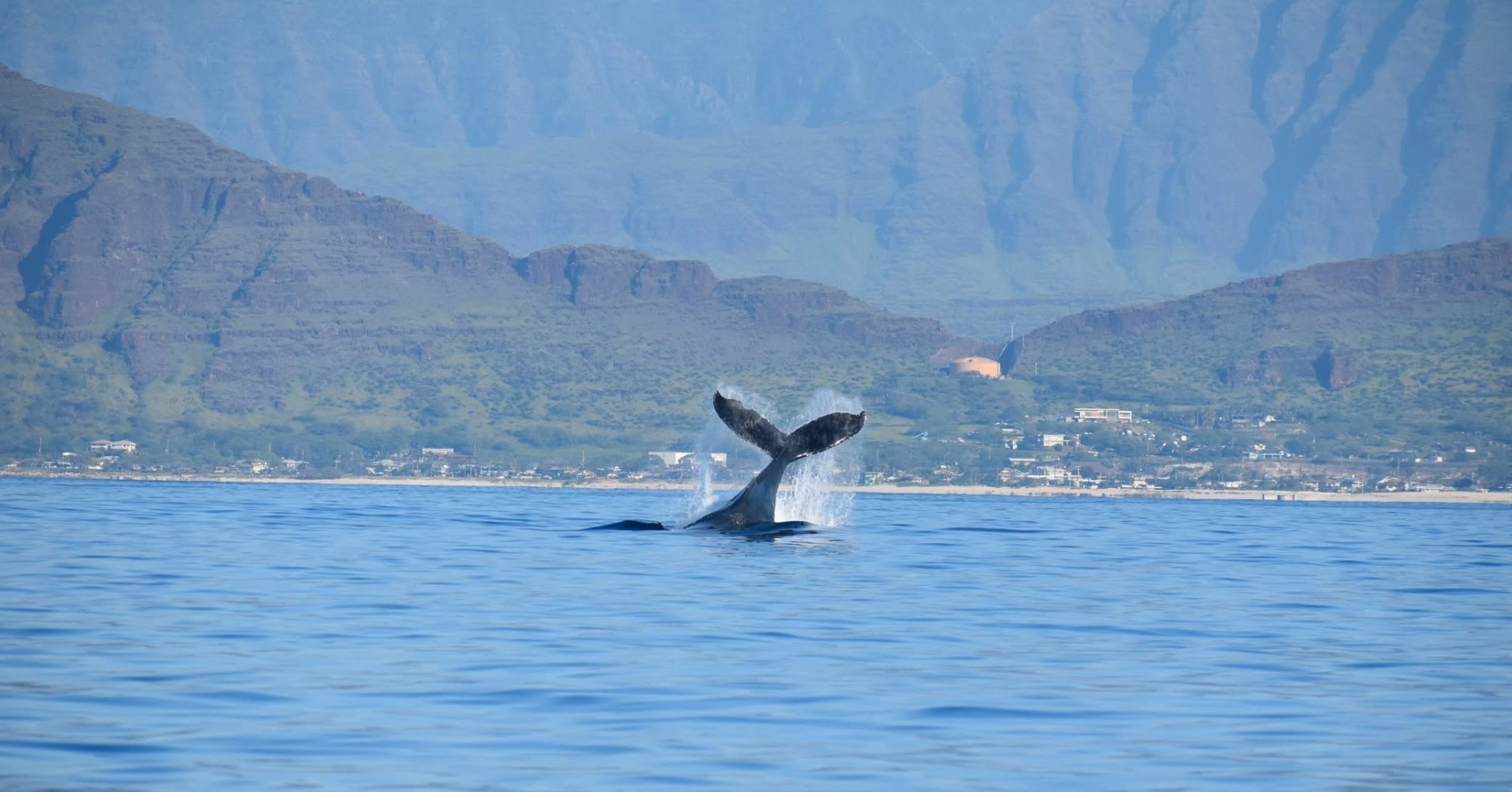
There’s something truly special about winter on Oʻahu’s west side. The air feels a little crisper, the ocean comes alive in a new way, and excitement builds. Whale season is here! And while our guests experience the magic out on the water, there’s a great deal of preparation happening behind the scenes to make every trip safe, respectful, and unforgettable.
Here’s how our crew gets ready to welcome Hawaiʻi’s most majestic winter visitors.
Welcoming the Humpbacks Back to Hawaiʻi
Each year, thousands of humpback whales migrate from Alaska to the warm, protected waters of Hawaiʻi to breed, calve, and nurse their young. Seeing a 40-ton whale breach against the blue Pacific is something that never gets old even for our most seasoned captains.
While whale season generally runs from late December through early April, March is often one of the very best months for spotting whales. By this time, the majority of humpbacks have arrived in Hawaiian waters, and activity levels can be high as mothers, calves, and males move throughout the area. Calm mornings paired with active whales make for incredible viewing opportunities.
But whale season isn’t just about the “wow” moments. It’s about responsibility.
Our crew reviews and refreshes marine life protocols constantly. We closely follow federal wildlife guidelines, including maintaining a minimum distance of 50 yards from whales at all times. This respectful buffer protects these magnificent animals from disturbance and ensures we are observing them safely and legally.
If a whale chooses to approach our vessel which occasionally happens, we remain neutral, reduce speed, and allow the whale to control the encounter. Respect for marine life is at the heart of everything we do. That 50-yard distance isn’t just a strict rule, it’s part of our commitment to protecting the ocean we love.
What to Look For on the Horizon
Before a full breach steals the show, there are often subtle signs that a whale is nearby and our crew is constantly scanning for them.
When you’re out on the water with us, keep your eyes on the horizon. Look for:
- A sudden splash in the distance
- The curve of a dorsal fin slicing through the surface
- A powerful tail (fluke) lifting high before a deep dive
- Or even a smooth, dark “whale print” a calm, glassy patch of water left behind after a whale dives
Our captains and crew are trained to spot these patterns quickly and communicate clearly, so no one misses the action. Sometimes the smallest ripple leads to the biggest moment.
Safety Certifications & Ongoing Training
Our team is always prepared for any season. Every captain and crew member maintains current CPR and First Aid certifications, along with extensive lifeguard & water safety training. Regular onboard safety drills, emergency response reviews, and vessel inspections are conducted year-round.
Navigation routes are carefully planned with whale activity in mind, and our captains continuously monitor weather conditions, swell forecasts, and marine reports. Equipment checks from life jackets to communication systems are always a priority to ensure smooth sailing. On the water, preparation equals peace of mind.
A Passion That Runs Deep
What truly sets whale season apart is the heart behind it.
Our crew members are ocean enthusiasts, conservation advocates, and lifelong learners. Many have spent years on Hawaiʻi’s waters, developing a deep understanding of marine ecosystems and wildlife behavior. That passion shows in every safety briefing, every story shared, and every respectful wildlife encounter.
There’s nothing quite like seeing a guest’s face light up at their first splash on the horizon, and knowing we helped create that moment safely, responsibly, and with plenty of aloha.
Ready for the Season Ahead
From enhanced training and equipment checks to marine life monitoring and conservation awareness, whale season preparation is a team effort long before the lines are untied from the dock.
At Ko Olina Ocean Adventures, we’re honored to share Hawaiʻi’s humpback whales with you, always putting safety first, and leading with Aloha.