
History in Oʻahu: Museums That Share Hawaiʻi’s Culture and Stories
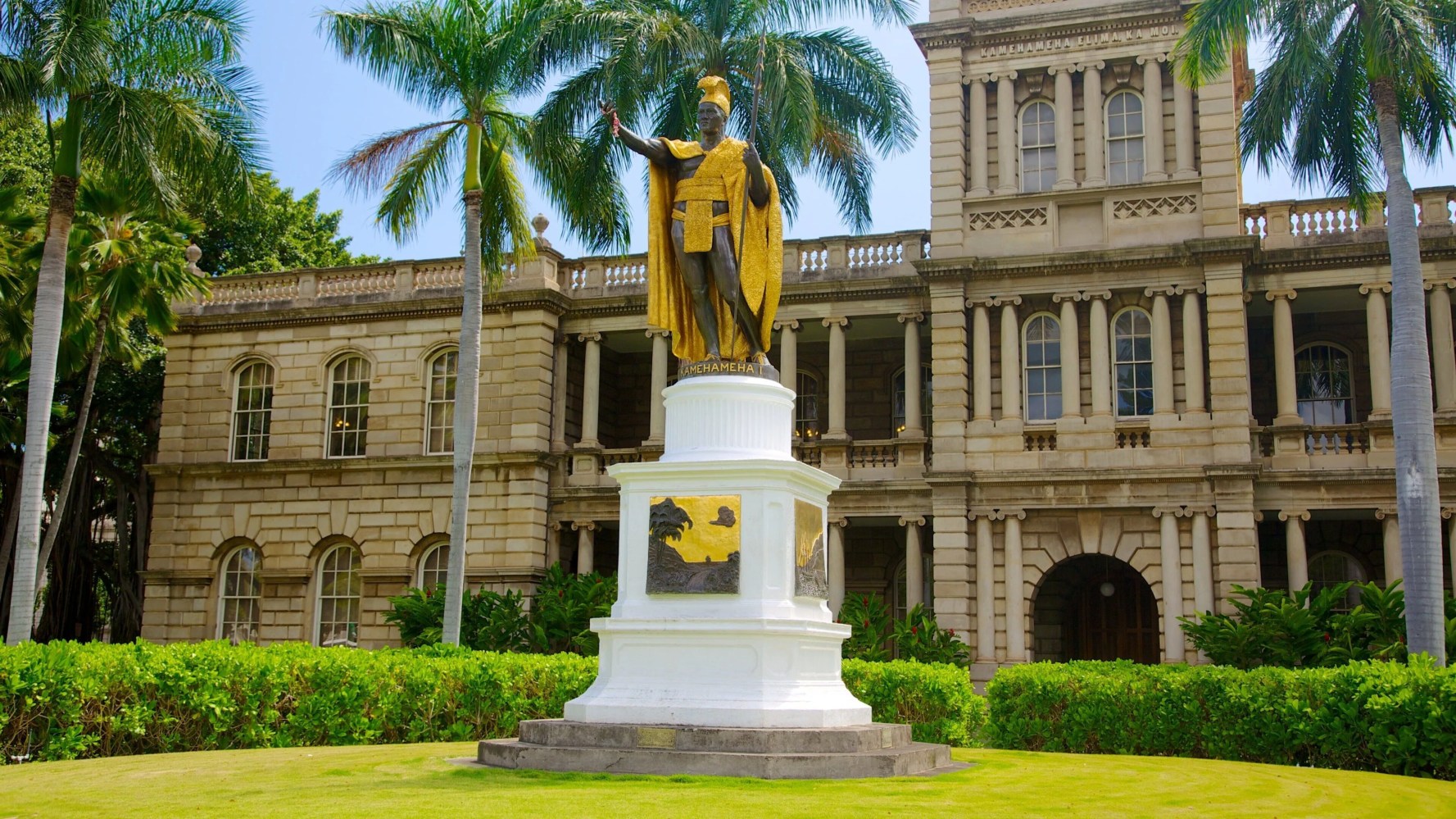
Oʻahu is known for its beautiful beaches, turquoise waters, and lush mountain scenery, but there is so much more to discover beyond the coastline. The island has a rich history shaped by Native Hawaiian traditions, the Hawaiian Kingdom, immigration, art, and significant events that changed the course of history.
One of the best ways to learn about Hawaiʻi is by visiting its museums and historic landmarks. Whether you want to understand the events of Pearl Harbor, explore the traditions of the Pacific, admire artwork from around the world, or walk through the former home of Hawaiʻi’s monarchs, Oʻahu offers meaningful experiences for visitors of all ages.
If you are looking to add a little history and culture to your Hawaiian vacation, here are four places worth exploring.
1. Pearl Harbor National Memorial: Remembering a Defining Moment in History
For anyone interested in American and Hawaiian history, a visit to Pearl Harbor is an unforgettable experience. On December 7, 1941, the Japanese military attacked Pearl Harbor, bringing the United States into World War II. Today, the Pearl Harbor National Memorial honors those who lost their lives and helps visitors understand the events leading up to the attack and its lasting impact.
The visitor center features two main exhibit galleries, Road to War and Attack, which share historical photographs, personal stories, artifacts, and information about the events of that day. Visitors can also explore outdoor exhibits and learn about the people whose lives were forever changed.
One of the most significant experiences is visiting the USS Arizona Memorial, which sits above the remains of the battleship sunk during the attack. The memorial honors the crew members who lost their lives and offers a quiet place for reflection.
Pearl Harbor is more than a history lesson. It is an opportunity to understand an important part of Hawaiʻi’s role in world history and pay respect to those who made the ultimate sacrifice.
What to know before visiting: The Pearl Harbor National Memorial visitor center and its main museum exhibits are free. The USS Arizona Memorial program requires planning, and reservations are recommended. Other Pearl Harbor historic sites, including the Battleship Missouri and Pearl Harbor Aviation Museum, are separate attractions with their own admission requirements.
Official website: https://www.nps.gov/perl/
2. Bishop Museum: Discovering Hawaiian and Pacific Island Culture
If you want to learn about Hawaiʻi beyond its modern-day attractions, Bishop Museum is an excellent place to start. Founded in 1889, the museum was established in honor of Princess Bernice Pauahi Bishop and has grown into one of the most important institutions preserving the natural and cultural history of Hawaiʻi and the Pacific.
Inside, visitors can explore Hawaiian history, traditional cultural practices, Pacific Island heritage, and the natural world. The museum’s Hawaiian Hall is especially noteworthy, featuring collections that help tell the story of Hawaiʻi’s people, environment, beliefs, and traditions.
Exhibits and collections explore topics such as traditional Hawaiian life, Polynesian navigation, royal history, native plants and animals, and the relationships between the islands and the wider Pacific. The museum also features a planetarium and interactive science exhibits, making it an engaging stop for families and curious travelers.
What makes Bishop Museum special is the way it connects Hawaiʻi to the larger Pacific region. The story of the islands is also a story of ocean voyaging, ancestral knowledge, and the generations who carried their traditions across the Pacific.
For visitors who want to understand the culture and history behind the places they explore during their vacation, Bishop Museum offers a deeper appreciation of what makes Hawaiʻi unique.
What to know before visiting: Give yourself time to explore the galleries, as there is much more to see than you might expect. Check the museum’s website for current exhibitions, daily programs, and planetarium offerings.
Official website: https://www.bishopmuseum.org/
3. Honolulu Museum of Art: Exploring Art From Hawaiʻi and Around the World
History can be discovered through paintings, textiles, sculpture, photography, and other forms of artistic expression. At the Honolulu Museum of Art, visitors can explore thousands of works spanning centuries and representing cultures from across the globe.
The museum’s collection includes Asian art, European and American paintings, contemporary works, photography, textiles, and traditional and contemporary art from Hawaiʻi and the Pacific. Its galleries offer a chance to see how different communities express their histories, beliefs, identities, and experiences through art.
The museum’s Hawaiʻi and Pacific collections are particularly meaningful for visitors interested in local culture. Traditional objects and works by Hawaiʻi-based artists offer perspectives on the islands’ heritage, landscapes, and changing cultural identity.
Rather than focusing on one period or event, the Honolulu Museum of Art shows how art connects people across generations and cultures. It is a wonderful place to slow down, appreciate creative expression, and discover stories that might otherwise go unnoticed.
The museum also hosts rotating exhibitions, educational programs, tours, and other cultural events, so each visit can offer something different.
What to know before visiting: Check the current exhibition schedule before your visit, especially if you are interested in a particular artist, artistic tradition, or special exhibition.
Official website: https://honolulumuseum.org/
4. ʻIolani Palace: Stepping Into Hawaiʻi’s Royal History
Located in downtown Honolulu, ʻIolani Palace offers a rare opportunity to step inside the former royal residence of the Hawaiian Kingdom. Completed in 1882 during the reign of King David Kalākaua, the palace later became the home of his sister and successor, Queen Liliʻuokalani.
The palace was once the center of Hawaiʻi’s political and social life. Its grand rooms hosted royal gatherings, official ceremonies, and visiting dignitaries. Today, restored interiors, historic furnishings, and guided experiences help visitors imagine what life was like during the monarchy.
But the palace also tells a more difficult story. Following the overthrow of the Hawaiian Kingdom in 1893, Queen Liliʻuokalani was imprisoned in the palace. Her experience and the events surrounding the overthrow are essential to understanding Hawaiʻi’s history and the lasting significance of its royal heritage.
Visitors can explore the grand reception areas, the Throne Room, the royal family’s private quarters, and other historic spaces, depending on the tour offered. Learning about the lives of King Kalākaua and Queen Liliʻuokalani provides a closer look at Hawaiʻi’s identity as an independent kingdom and the changes that followed.
A visit to ʻIolani Palace is an opportunity to appreciate the achievements of Hawaiʻi’s monarchs while learning about the political events that continue to shape conversations about the islands today.
What to know before visiting: Guided and self-led audio tours are available on select days, and reservations are highly recommended. Check the official website for tour availability and any temporary gallery closures before arriving.
Official website: https://www.iolanipalace.org/
Make History Part of Your Oʻahu Vacation
Oʻahu has so much to offer beyond its beaches and scenic viewpoints. Visiting its museums and historic landmarks gives you the opportunity to learn about the people, traditions, and events that have shaped the islands.
Pearl Harbor provides a place to remember a pivotal moment in world history. Bishop Museum brings Hawaiian and Pacific Island heritage to life. The Honolulu Museum of Art connects visitors with artistic traditions from Hawaiʻi and around the world. And ʻIolani Palace offers a closer look at the Hawaiian Kingdom and the legacy of its monarchs.
Each destination tells a different part of Hawaiʻi’s story. Together, they offer a deeper understanding of the islands and the many cultures, experiences, and traditions that make them so special. Taking the time to learn about Hawaiʻi’s past can make your visit even more meaningful. After all, understanding a place’s history is one of the best ways to appreciate everything that makes it unique.