
When Does Whale Season Start in Hawaiʻi? A Guide to Oʻahu’s Humpback Whale Season
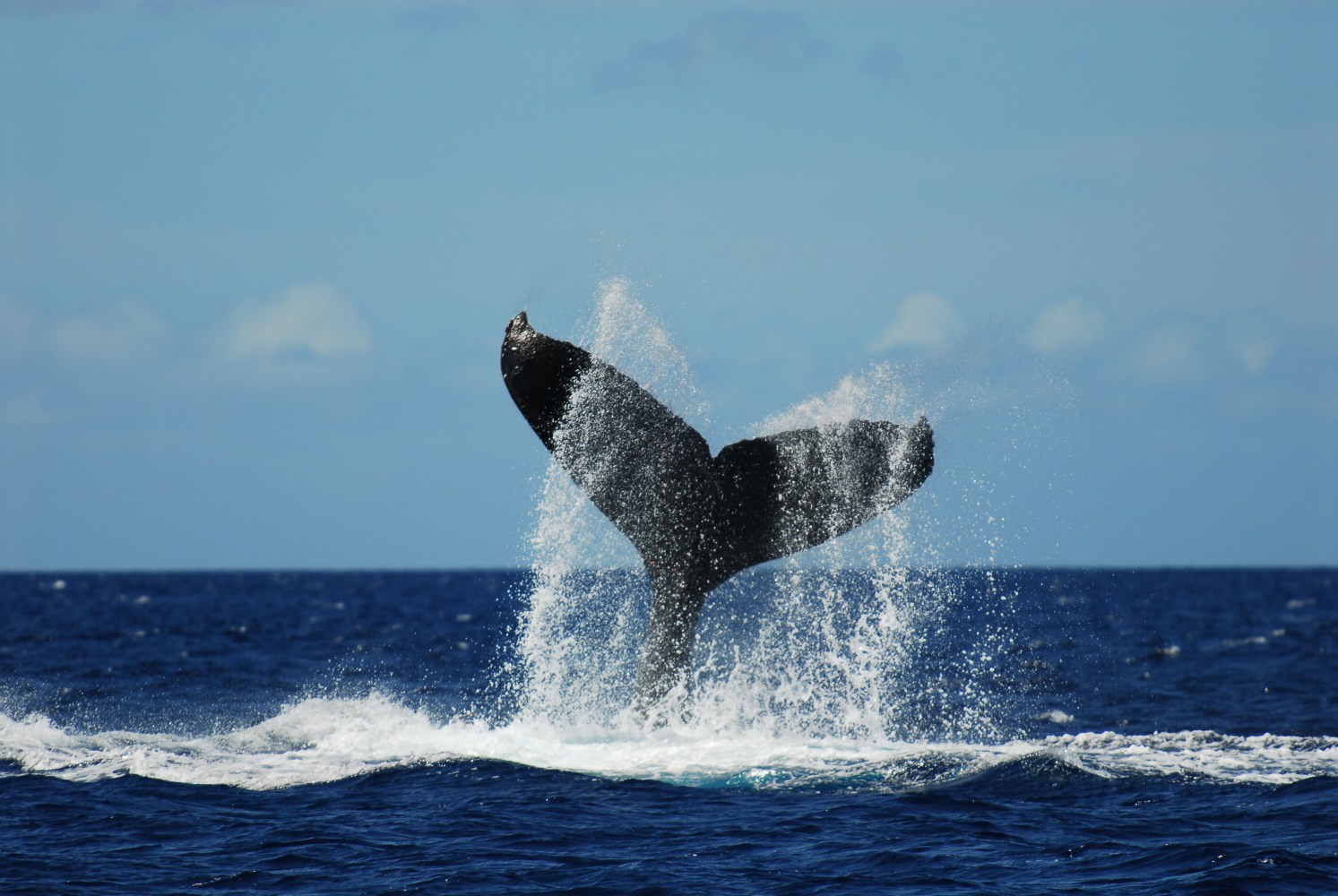
As the weather starts to cool down in other parts of the country, Hawaiʻi is getting ready for one of the most exciting times of year on the water: whale season!
Every winter, thousands of humpback whales make an incredible journey across the Pacific to the warm waters surrounding the Hawaiian Islands. For anyone planning a trip to Oʻahu between late fall and spring, whale watching can be one of the most memorable parts of getting out on the ocean.
When Does Whale Season Start in Hawaiʻi?
Humpback whales typically begin returning to Hawaiʻi in the fall, with the first arrivals sometimes spotted as early as October or November. Whale activity usually becomes more noticeable as winter progresses. Hawaiʻi’s official humpback whale season generally runs from November through May, with January through March typically being some of the busiest months.
The first whales of the season can be especially exciting to spot. After spending months feeding in colder, nutrient-rich waters farther north, humpbacks return to Hawaiʻi’s warm tropical waters to mate, give birth, and care for their young. These whales travel thousands of miles each year between their feeding and breeding grounds. During the warmer months, they spend their time in northern waters where food is plentiful and they can build up the energy needed for their long migration. When winter arrives, they make their way south to warmer waters, including Hawaiʻi.
Unlike their northern feeding grounds, Hawaiʻi’s waters don’t provide the same abundance of food. Instead, the islands serve as an important breeding and nursery area. Female humpbacks return to Hawaiʻi to give birth and spend time with their calves during the early stages of their lives. This means whale season can bring some incredible sightings, from adults traveling through the water to mothers swimming alongside their young.
When Is the Best Time to See Whales on Oʻahu?
While whales can be spotted throughout the season, January through March is generally considered one of the best times for whale watching in Hawaiʻi. By this point in the season, more humpbacks have arrived in Hawaiian waters, increasing your chances of seeing them from both land and sea.
That doesn’t mean you have to wait until January to start looking, though. Early-season sightings can happen in November and December, and every whale season is a little different. You never know when a whale might surface, breach, slap its tail, or disappear beneath the water before popping up somewhere completely different. Sometimes you’ll notice the puff of a blow in the distance before you ever see the whale itself.
Oʻahu has plenty of places where you can watch for whales, particularly along the island’s southern and western coastlines. The Waiʻanae Coast is a beautiful place to spend time on the water during whale season, with the open Pacific stretching along Oʻahu’s western side. Getting out on a boat gives you a completely different perspective than watching from shore. Instead of looking at one small section of water, you’re surrounded by an open horizon where a distant blow or splash can catch your attention.
What Else Might You See on the Water?
Humpback whales may be the stars of the winter season, but they’re certainly not the only wildlife you might encounter. Depending on the season and conditions, you may also spot Hawaiian spinner dolphins, honu (Hawaiian green sea turtles), tropical fish, seabirds, and other marine life. You might find yourself watching a pod of dolphins one moment and scanning the horizon for a whale the next.
That’s part of what makes spending time on the ocean so special. Wildlife doesn’t follow a schedule, and every trip can be a little different. There is always the possibility of seeing something unexpected.
What Is Whale Watching Like From a Catamaran?
There is something different about seeing a whale from the water. When you’re standing on the deck of a catamaran with nothing but ocean around you, a distant whale surfacing on the horizon can feel like a moment shared with the entire boat. You may see a blow first, followed by the curve of a back as the whale surfaces before disappearing below the water again.
And sometimes, if you’re lucky, you may witness something much more dramatic such as a breach, a tail slap, or a curious calf swimming alongside its mother. At Ko Olina Ocean Adventures we love this time of year, whale season gives us another reason to keep our eyes on the horizon and share those unexpected moments with our guests.
It’s also important to remember that whales are wild animals in their natural environment. A whale may surface close by, or it may remain far in the distance. It may stay at the surface for several minutes, or it may disappear for what feels like an eternity before surfacing again. Patience is part of the experience.
Responsible whale watching also means giving whales plenty of space and allowing them to behave naturally. The goal isn’t to chase a whale down, it’s to enjoy the incredible opportunity to observe one in its home.
Why We Love Whale Season on the Waiʻanae Coast
For us, whale season is one of those times of year that makes being out on the ocean feel extra special. The return of these beautiful creatures makes the whole experience a little more extraordinary.
Here on the Waiʻanae Coast, we’re lucky to spend so much time surrounded by the Pacific. Whether we’re watching for a blow in the distance, spotting dolphins along the way, or simply sailing with the mountains behind us, there is always something to look for. If you’re visiting Oʻahu during whale season, keep an eye on the horizon. You never know what might surface.